
The Power of Brochures: Design Tips for Effective Communication
In the digital age, print materials may seem overshadowed by online content and social media, but one traditional tool remains a potent force in marketing and communication – the brochure. An effective brochure can engage, educate, and persuade your audience in ways that digital media can’t. In this comprehensive guide, we’ll delve into the power of brochures and provide you with valuable design tips to create compelling and effective communication tools.
Why Brochures Still Matter
In the era of smartphones and online marketing, you might wonder if brochures are still relevant. The truth is brochures hold a unique place in the world of communication and marketing.
Tangible Presence
Brochures offer a tangible presence that digital media can’t replicate. People often appreciate the physical aspect of holding a well-designed brochure, making it more memorable.
Information Delivery
A well-crafted brochure serves as an information powerhouse. It can communicate detailed and complex information in a structured and easy-to-digest format.
Targeted Marketing
Brochures can be targeted to specific audiences, allowing you to tailor your message to the readers’ interests and needs effectively.
Versatility
From product showcases and event promotions to educational materials and nonprofit awareness campaigns, brochures can serve various purposes.
Design Tips for Effective Brochures
Now that we’ve established the importance of brochures, let’s dive into the key design tips to ensure your brochures are effective communication tools.
Define Your Objectives
Start with a clear understanding of your objectives. Are you trying to inform, persuade, or promote? Define your purpose, and let it guide your design.
Know Your Audience
Understanding your target audience is crucial. Consider their demographics, interests, and needs to create content and visuals that resonate with them.
Structure and Hierarchy
Effective brochures have a clear structure and hierarchy. Use headings, subheadings, and visuals to guide readers through the content seamlessly.
Compelling Content
Craft persuasive and engaging content. Use concise, impactful language, and communicate your message effectively. Highlight the benefits and unique selling points of your offering.
Visual Appeal
Utilize eye-catching visuals such as high-quality images, illustrations, and graphics. Visual elements help break up text and make the brochure more inviting.
Consistent Branding
Ensure that your brochure aligns with your brand identity. Use consistent colours, fonts, and imagery to reinforce brand recognition.
Call to Action (CTA)
Include a clear and compelling call to action. Encourage readers to take the next step, whether it’s visiting your website, making a purchase, or contacting you.
Layout and White Space
The layout should be clean and uncluttered, with ample white space. Avoid overwhelming readers with too much content or a cluttered design.
Print Quality
Invest in high-quality printing. A well-printed brochure with vibrant colours and sharp images enhances the overall impact.
Testimonials and Social Proof
If applicable, include customer testimonials or social proof to build trust and credibility. It’s important ensure that you build trust and credibility within your industry and clientele, one of the ways to do this is to have testimonials and real-life accounts of great service that you have provided.
Distribution Strategy
Plan how you will distribute your brochures. Consider trade shows, events, retail locations, direct mail, or handing them out in person.
Types of Brochures
Brochures come in various formats, each serving a different purpose. Here are a few common types:
Bi-Fold Brochures
These brochures are folded in half, creating four panels (front and back). They’re suitable for concise information or simple product presentations.
Tri-Fold Brochures
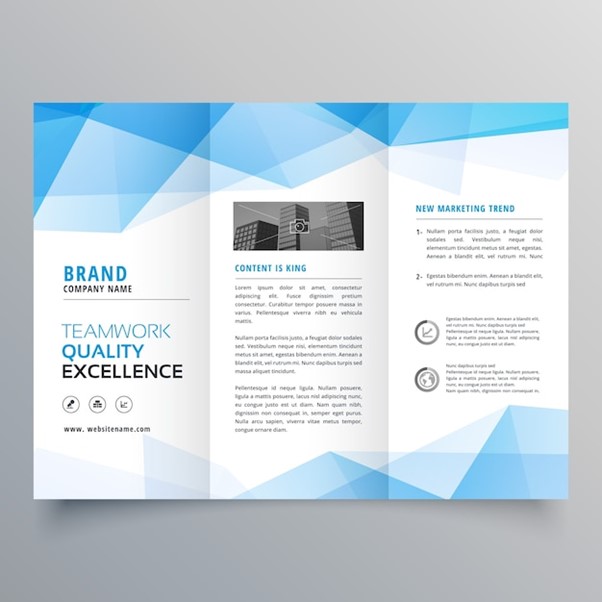
Tri-fold brochures are among the most popular types. They offer six panels, allowing for a clear structure and more in-depth content.
Gate-Fold Brochures
Gate-fold brochures have two flaps that fold inward to reveal the center panel. They’re ideal for revealing a dramatic, central message or image.
Z-Fold Brochures
Z-fold brochures fold into a ‘Z’ shape, creating six panels. They are versatile and can showcase a sequential story or visual journey effectively.
Accordion-Fold Brochures
Accordion-fold brochures, with multiple parallel folds, can reveal a series of interconnected messages. They’re suitable for storytelling or conveying complex information.
Booklet Brochures
Booklet brochures resemble small books, with multiple pages and binding. They are suitable for extensive content, such as product catalogues or event programs.
The Power of Brochures: Conclusion
Brochures continue to be powerful communication tools in the digital age. They offer a tangible presence, targeted messaging, and versatility that digital media can’t replicate. By following the design tips outlined in this guide and selecting the right brochure type for your objectives, you can create compelling and effective brochures that engage your audience, communicate your message, and drive action.
Remember, a well-designed brochure is a reflection of your brand, a compelling storytelling medium, and a persuasive marketing tool. Don’t underestimate the power of this traditional but enduring communication tool in your marketing arsenal.

