
Elevate Your Brand Networking: Designing and Printing Business Cards
In the digital age, where virtual connections dominate, business cards may seem like a relic of the past. However, they remain a powerful tool for making lasting impressions and fostering valuable connections. In this comprehensive guide, we’ll explore designing and printing business cards that elevate your brand networking to new heights, along with insights on trends and best practices.
In this blog, we’ll explore the fascinating world of colour psychology, delve into the emotional impact of colours, and learn how to effectively use colour in branding through print marketing.
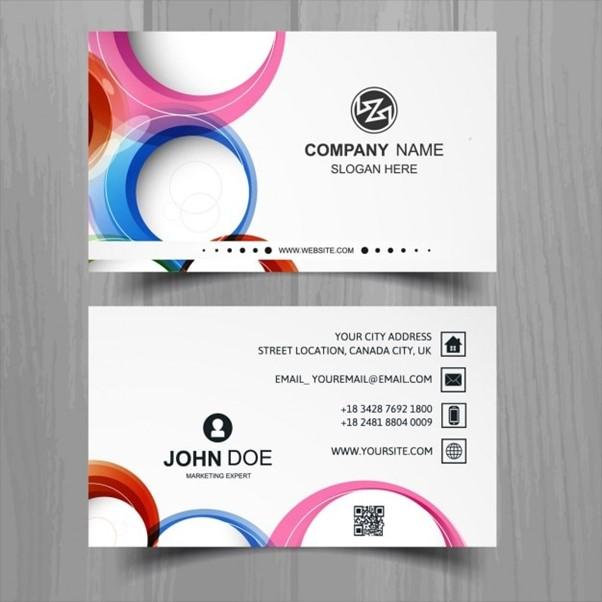
The Enduring Power of Business Cards
In an era when smartphones and LinkedIn profiles are ubiquitous, you might wonder if business cards are still relevant. The truth is, they are. Here’s why:
Tangible First Impressions
A well-designed business card provides a tangible first impression of your brand. It conveys professionalism, attention to detail, and a commitment to personal connections.
Accessibility and Convenience
Business cards are easily accessible and don’t require a Wi-Fi connection or a charged battery. Handing over a card is a swift and convenient way to share contact information during face-to-face meetings.
Personal Touch
Exchanging business cards adds a personal touch to networking. It’s a physical interaction that helps build a memorable connection.
Branding Opportunity
Your business card is a mini-representation of your brand. It should reflect your company’s personality, values, and mission. The impression you make on your potential clients is of utmost importance. That’s why you want to make sure that you invest in high-quality branding and printing.
Designing Your Business Card
The design of your business card plays a pivotal role in its effectiveness. Let’s dive into the key elements of a well-designed card.
Clear and Concise Information
Your business card should include the following information:
Your Name: This is typically the most prominent element on the card.
Company Name: Ensure it’s clearly visible.
Title: Your professional role or designation.
Contact Information: Phone number, email, and website.
Logo: If applicable, your company’s logo should be prominent.
Colour and Font Choices
Your choice of colours and fonts should align with your brand’s visual identity. Ensure legibility and use colours that convey the right emotions and associations.
Visual Elements
Consider incorporating relevant visual elements, such as images or icons, to enhance your card’s design. These should complement your brand’s aesthetics.
Paper Quality
The type of paper you choose matters. Opt for high-quality, durable cardstock that conveys professionalism and doesn’t easily tear or bend.
Card Size and Shape
While the standard business card size is 3.5 x 2 inches, don’t be afraid to explore unique shapes or sizes that align with your brand’s personality. Just ensure they fit into standard cardholders.
Printing Your Business Cards
Once you’ve finalized your design, the next step is getting your business cards printed. Here are some printing considerations.
Professional Printing Services
While you can print cards at home, it’s often best to use professional printing services. They offer higher quality, more material options, and precision cutting.
Quantity
Consider how many cards you need. Ordering in bulk often results in cost savings. However, don’t go overboard, as designs or contact information may change.
Finish and Coating
Select a finish that enhances the look and feel of your cards. Matte, gloss, or a specialty finish like embossing or foil stamping can add an extra touch of sophistication.
Proofreading
Before finalizing your order, carefully proofread the content on your business cards. Ensure that all information is accurate and free from errors.
Trends and Creative Ideas
Minimalist and Clean Designs
Simplicity is in vogue. Minimalist designs with clean lines and ample white space offer a sleek and contemporary look.
Unique Materials
Consider unique materials like recycled paper, wood, or even metal for a distinctive, eco-friendly, or luxurious feel.
Die-Cut Shapes
Die-cutting can create memorable and unconventional card shapes that set you apart from the crowd.
Personal Branding
Include a QR code that links to your portfolio, LinkedIn profile, or a personalized video introduction to add a modern touch to your card.
Interactive Elements
Augment your card with interactive elements like scannable QR codes, AR features, or even embedded NFC chips for a futuristic feel.
Best Practices For Designing And Printing Business Cards
Finally, let’s explore some best practices for using your business cards effectively.
Be Selective
Don’t distribute your cards indiscriminately. Share them with individuals who genuinely express interest in connecting with you.
Follow Up
After a networking event, follow up with your new contacts promptly. Send a personalized message or email to strengthen the connection.
Personalize Your Interactions
When handing over your card, take a moment to personalize the interaction. Mention something specific about your conversation to make it memorable.
Card Maintenance
Keep your business cards in a case or holder to ensure they remain clean and presentable. A tattered or crumpled card doesn’t make a good impression.
Conclusion
Business cards are far from outdated; they remain a valuable tool for making connections and leaving a lasting impression. By crafting a well-designed card that aligns with your brand and utilizing it effectively, you can elevate your networking efforts.

